
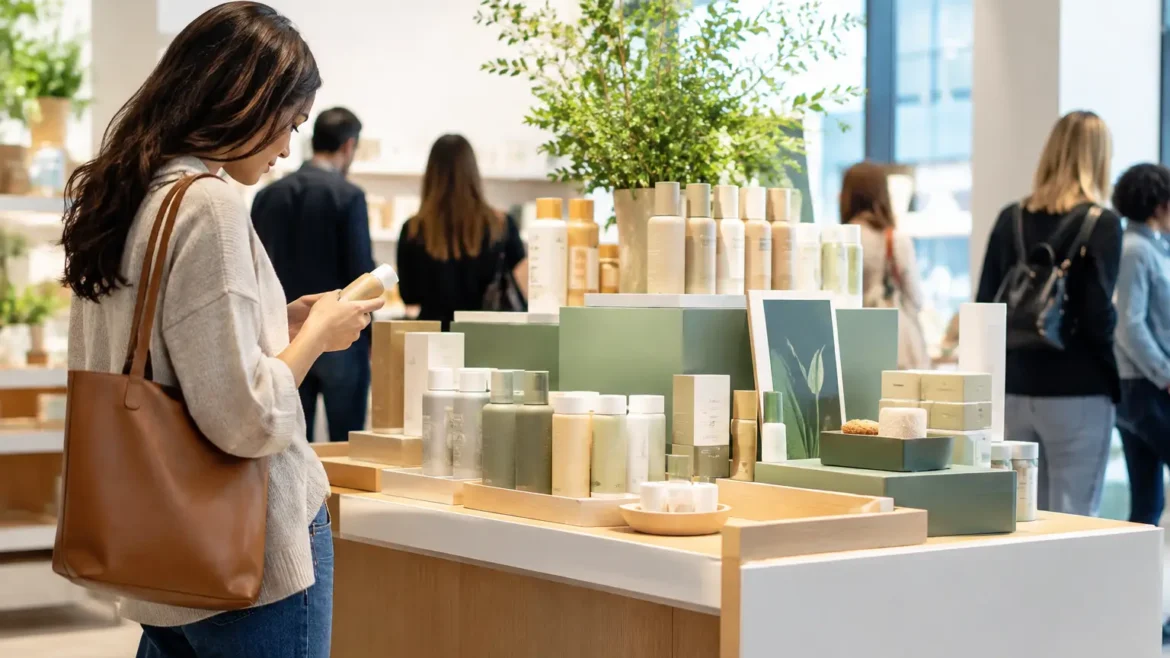
A product can be excellent and still disappear on launch day if shoppers cannot understand it within seconds. The strongest retail display ideas for launches do more than look impressive: they stop traffic, explain the offer, create a reason to interact, and make the next step to purchase obvious.
For retail operators, brand managers, and activation teams, the display is not a decorative afterthought. It is the physical campaign headquarters. It needs to carry the campaign message, accommodate stock and staff, withstand heavy footfall, and look as sharp at closing time as it did when the doors opened.
Start With the Launch Objective, Not the Fixture
Before selecting materials, lighting, or a footprint, decide what the launch display must accomplish. A new product line may need sampling and demonstrations. A limited-edition collaboration may need urgency and social appeal. A technical product may need a hands-on comparison that answers questions better than packaging ever could.
This decision changes the entire build. A display designed to collect leads needs an intuitive registration point and a calm space for conversation. A display designed to drive immediate sales needs visible prices, easy product access, and fast replenishment. Trying to make one small unit do every job can leave it looking crowded and performing poorly.
Set two or three measurable outcomes before design begins. These could include units sold, samples distributed, qualified leads captured, dwell time, or social content created. The objectives give designers, fabricators, retail teams, and promoters one shared brief instead of a collection of preferences.
Retail Display Ideas for Launches That Earn Attention
The most effective retail launches combine a clear central idea with practical commercial details. Here are display approaches that can be adapted for malls, flagship stores, pop-ups, and high-traffic retail corridors.
Build a live product demonstration bar
A demonstration bar gives the product a role beyond sitting on a shelf. It works particularly well for beauty, food and beverage, consumer electronics, home products, and wellness launches. Keep the counter height comfortable for staff and visitors, and build storage below for backup stock, disposables, cables, and cleaning supplies.
The best demo bar has one clear viewing direction. If customers cannot tell where to stand or where the demonstration begins, the unit will create a loose crowd rather than a productive queue. Use a simple headline above the station, then support it with concise benefit-led messaging at eye level.
Create a hero centerpiece with a reason to approach
A large product replica, sculptural form, kinetic feature, or illuminated centerpiece can pull attention from across a mall atrium or retail floor. But scale alone is not enough. The centerpiece must lead people toward an interaction, offer, or product trial.
For example, a fragrance launch might use an oversized bottle form with an adjacent discovery station. A sneaker release could place a dramatic display platform at the center, then guide visitors to sizing, personalization, and checkout zones around it. The centerpiece earns the first glance; the surrounding layout earns the sale.
Use layered merchandising, not a wall of product
New launches often arrive with too many stock-keeping units, colors, or messages competing for attention. A layered merchandising plan creates order. Put the hero product at the highest visual priority, place complementary items at the next level, and keep replenishment stock out of direct view.
This is especially useful for cosmetics, accessories, packaged products, and apparel capsules. Customers should understand the lead item first, then discover variety once they are engaged. A good fixture can include shelving, risers, backlit niches, and hidden storage without making the display feel overbuilt.
Design an interaction that takes less than a minute
Footfall is valuable, but people on a shopping trip will not always commit to a long activation. Fast interactions are often the right choice: a product-matching screen, a short quiz, a customization station, a before-and-after test, or a sample collection point.
Make the result visible. If a customer receives a personalized recommendation, a printed card, a customized item, or a shareable photo, the interaction has a natural payoff. Technology should support that experience, not become the attraction by itself. A screen with no staff guidance, unclear instructions, or slow loading times can damage the launch experience.
Turn the queue into branded real estate
A busy launch can lose momentum when visitors face an unorganized line. Queue barriers, floor graphics, and side panels can turn waiting time into a brand story. Use them to show product benefits, launch-only offers, or simple instructions for what happens next.
This is a practical detail that is often missed during concept development. At peak times, the queue may become the most visible part of the activation. Plan for it from the start, especially in malls where circulation, emergency access, and landlord requirements shape every square foot.
Make the Display Work From Every Distance
A high-performing launch environment communicates in layers. From a distance, shoppers need to recognize the brand and see a compelling visual cue. From a few steps away, they need to understand the product category and the offer. At close range, they need pricing, product details, and a clear action.
This is why oversized logos alone rarely solve a retail challenge. Branding is essential, but a launch fixture should also answer: What is this? Why should I care? What can I do here? If these answers rely on staff explaining them repeatedly, the display is carrying too little of the communication load.
Lighting has a major role. Backlit graphics and feature lighting can draw attention, while focused shelf lighting gives product packaging more depth and clarity. Avoid lighting that creates glare on screens, reflective packaging, or glossy acrylic. In a bright mall environment, a lighting test before final installation is worth the effort.
Plan for Operations Behind the Visuals
A beautiful concept can fail quickly if the operating details are ignored. Launch teams need places to store stock, charge devices, hold packaging, dispose of waste, and step out of customer view when necessary. Every one of those needs should be designed into the unit rather than improvised after installation.
For temporary activations, modular construction offers a useful balance between impact and efficiency. Custom-built feature elements can provide the visual distinction, while reusable counters, shelving modules, and structural components can reduce cost for future campaigns. The right approach depends on launch duration, venue rules, storage capability, and how often the brand expects to reuse the display.
Materials also need to fit the environment. A premium beauty brand may benefit from refined finishes, integrated lighting, and carefully detailed joinery. A family-focused product launch may need durable, easy-clean surfaces with rounded edges and generous circulation. In high-traffic UAE retail venues, fabrication quality matters because corners, surfaces, and graphics face constant contact from visitors and carts.
Connect the Launch Display to the Rest of the Campaign
The display should feel like a physical extension of the launch campaign, not a separate event. Match the campaign color palette, photography, product language, and visual hierarchy. If the digital campaign promises personalization, the in-store experience should offer a credible version of it. If the campaign is built around performance, let visitors see or test that performance.
Staff scripts should be just as considered as the graphics. Give promoters a short opening line, a product demonstration sequence, and a clear handoff to purchase or lead capture. Their role is to make the display feel active and informed, not to recite a lengthy brand presentation.
Capture what happens on site as well. Launch-day photography and video should show the display in use, the customer interactions it creates, and the product in context. That content can extend the value of the build across social channels, sales presentations, and future retail proposals.
Build Early Enough to Test What Customers Will See
Retail launches often run on tight deadlines, but last-minute changes are expensive once fabrication and venue coordination begin. Review material samples, graphic proofs, lighting temperatures, product placement, and customer flow before the final build is approved. If the display includes digital elements, test them under real operating conditions, including Wi-Fi reliability, power access, and staff workflows.
An experienced turnkey partner can coordinate the design, in-house fabrication, site requirements, logistics, and installation as one delivery process. For Dubai and UAE launches, Creative Roots builds custom retail displays, kiosks, and branded environments that are designed for both attention and day-to-day operation.
The best launch display leaves shoppers with a simple feeling: this product is new, this brand understands what it is doing, and I know exactly what to do next.