
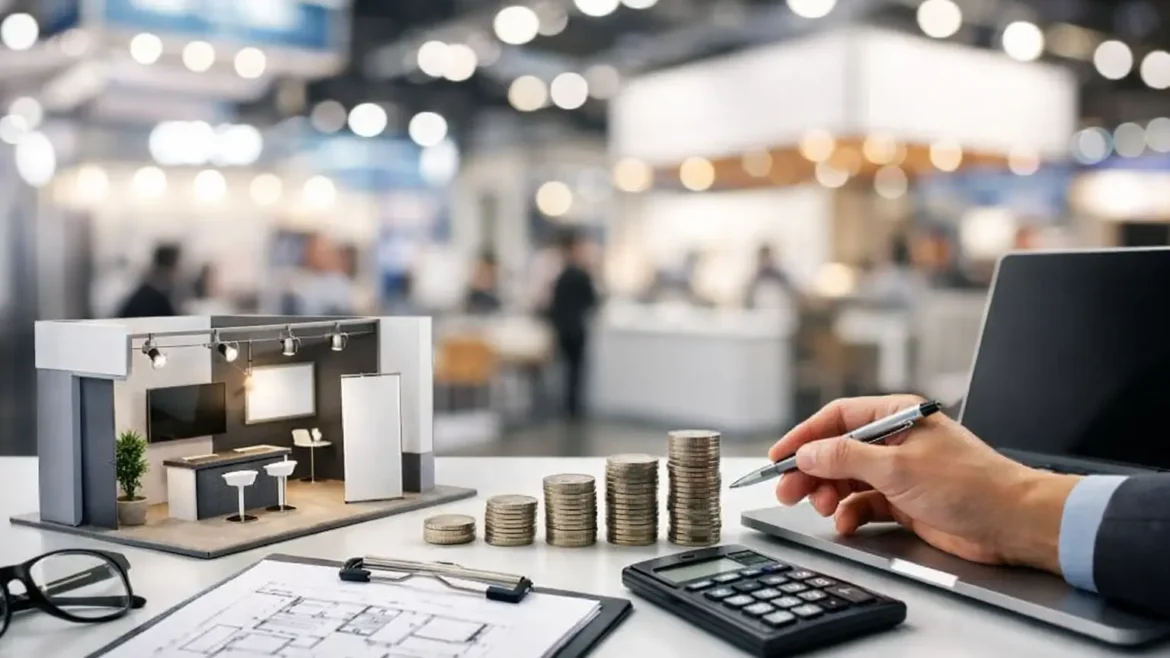
A 9-square-meter exhibition stand can cost more than a larger space when the brief changes three times, materials are selected late, and site requirements are treated as an afterthought. That is why 展台预算控制 is not about choosing the cheapest contractor or stripping a stand down to bare walls. It is about directing budget toward the details that make visitors stop, engage, and remember the brand.
For exhibitors in Dubai and across the UAE, the pressure is real. Floor space, venue regulations, transport, installation windows, AV requirements, staffing, and premium finishes can all move the final figure. A smart budget creates a clear commercial boundary while leaving enough room for a stand that performs on a busy show floor.
Start 展台预算控制 With a Commercial Objective
Before requesting a design, decide what the stand must achieve. A product launch, lead-generation campaign, distributor meeting point, and premium brand showcase need different layouts, finishes, and staffing flows. Without a defined goal, every attractive idea can feel essential – and the budget quickly becomes a collection of additions rather than a controlled investment.
Set one primary outcome and two supporting measures. For example, a B2B exhibitor may prioritize qualified meetings, then product demonstrations and brand visibility. That brief points toward a semi-private meeting area, a visible demo counter, and clear messaging from the aisle. It does not automatically require a large overhead feature, multiple digital walls, or an oversized lounge.
The right question is not, “What can we fit into this budget?” Ask, “What must this stand do for the brand?” That distinction gives designers, project managers, and procurement teams a practical way to judge every cost.
Build the Budget From Scope, Not a Single Number
An exhibition stand quote should be viewed as a project scope. A single total without specifications may look competitive, but it can hide exclusions that appear later as variations. Request a clear breakdown covering design, fabrication, graphics, furniture, lighting, AV, logistics, installation, dismantling, and any venue-related requirements.
For a custom-built stand, the largest cost drivers are usually size, structural complexity, finish level, and technical integration. Double-deck structures, suspended elements, curved fabrication, custom joinery, LED features, interactive screens, and complex lighting can all create impact. They also require more engineering, workshop time, transport planning, and on-site labor.
This does not mean those features should be avoided. A high-traffic launch may justify a dramatic centerpiece or a strong LED moment. The key is to choose one or two high-value features and support them with disciplined execution. A stand often looks more premium when its materials, graphics, lighting, and layout feel intentional than when it has too many competing elements.
Separate Fixed Costs From Flexible Choices
Some costs are largely fixed once the stand size and venue are known. These may include basic construction, delivery, labor, power connections, permits, and required safety compliance. Others are flexible: the type of flooring, furniture package, number of screens, decorative details, storage size, and the extent of custom fabrication.
Protect the fixed, operational items early. Then use the flexible portion to refine visitor experience. A lockable storage room, for instance, may not be the most visible part of the stand, but it can prevent clutter and keep the front-of-house space looking professional throughout the event.
Design for Reuse Without Making the Stand Generic
A reusable exhibition system can reduce future spending, but only when it is planned around the brand’s exhibition calendar. Reusing structural frames, counters, display plinths, lighting tracks, and selected furniture can be efficient across multiple events. New graphics, product displays, and focal elements can then adapt the stand to each campaign.
However, reuse has limits. A modular stand designed for a 6-meter frontage may not work effectively in a corner plot or a different hall configuration. For some flagship events, a bespoke build is the better commercial decision because the brand needs a stronger architectural statement, more tailored customer flow, or a category-defining launch environment.
The best approach is often hybrid. Invest in durable components that can return to the workshop after the show, while making campaign-specific graphics and hero features easy to change. This creates flexibility without forcing every event into the same visual formula.
Control Scope Changes Before They Reach the Workshop
Late changes are one of the fastest ways to damage an exhibition budget. A revised wall position may affect electrical routing, graphic dimensions, flooring, storage, and furniture placement. A new screen can require brackets, power, cabling, media support, and changes to sightlines. Small requests are rarely small once fabrication has started.
Establish a clear approval process. The design should be signed off before production drawings begin, and any later revision should be priced and approved before work proceeds. This protects both the client and contractor from assumptions.
It also helps to nominate one internal decision-maker. When marketing, sales, leadership, and product teams all comment independently, the project can lose direction. Gather input early, agree on the priority, and give one person authority to manage final changes.
Spend Where Visitors Feel the Difference
Visitors do not inspect a stand like a construction estimator. They respond to what they can see, understand, and use in seconds. Spend strategically on the elements that shape that response: strong branding at distance, clear product presentation, welcoming lighting, comfortable conversations, and an easy path into the space.
Graphics deserve particular attention. Poorly positioned messages, low-resolution printing, or an overcrowded wall can weaken even excellent fabrication. Keep the main message visible from the aisle, use consistent brand colors, and create a hierarchy that lets people understand who you are before they reach the counter.
Lighting is another high-return investment. It can define zones, make products look more considered, and add depth to simple architecture. Good lighting cannot rescue an unclear concept, but it can elevate a focused design without adding unnecessary construction.
Furniture requires balance. Rental pieces may be the efficient choice for short-term hospitality areas, while custom counters and display units can justify the spend when they support product interaction or repeat use. Choose based on function, not simply on whether an item looks impressive in a rendering.
Choose a Contractor That Can Price Reality
A stand design is only as useful as the team’s ability to build it within the agreed scope. When design, fabrication, graphics, project management, and installation are coordinated under one roof, issues can be resolved earlier and cost implications are easier to see. In-house manufacturing also gives the project team direct control over detailing, quality checks, and production schedules.
Ask practical questions before appointing a contractor. Who handles venue documentation? What is included in installation and dismantling? How are changes communicated? Is the proposed material available within the event timeline? What happens if access hours shift or site conditions change? These questions are not administrative extras. They are part of budget protection.
At Creative Roots, that integrated approach connects bespoke stand design with fabrication, graphics, logistics, and on-site delivery, giving exhibitors one accountable team from consultation to handover.
Keep a Contingency, Then Use It Deliberately
A contingency is not an invitation to add decoration at the last minute. It is a controlled reserve for genuine risks: venue changes, added technical requirements, urgent graphics updates, or a final operational need discovered during planning. The appropriate amount depends on the complexity of the build and how settled the brief is, but eliminating contingency entirely can create avoidable pressure later.
If the reserve remains unused near final approval, apply it where it improves performance. You might upgrade key product lighting, add a lead-capture point, improve a customer seating area, or strengthen a hero graphic. This keeps the money connected to business impact rather than impulse.
A well-controlled exhibition budget should never make the brand disappear. It should make every square foot work harder. Give the stand a clear job, approve the scope early, invest in the moments visitors notice, and choose a build partner that can turn a commercial plan into a polished on-site reality.