
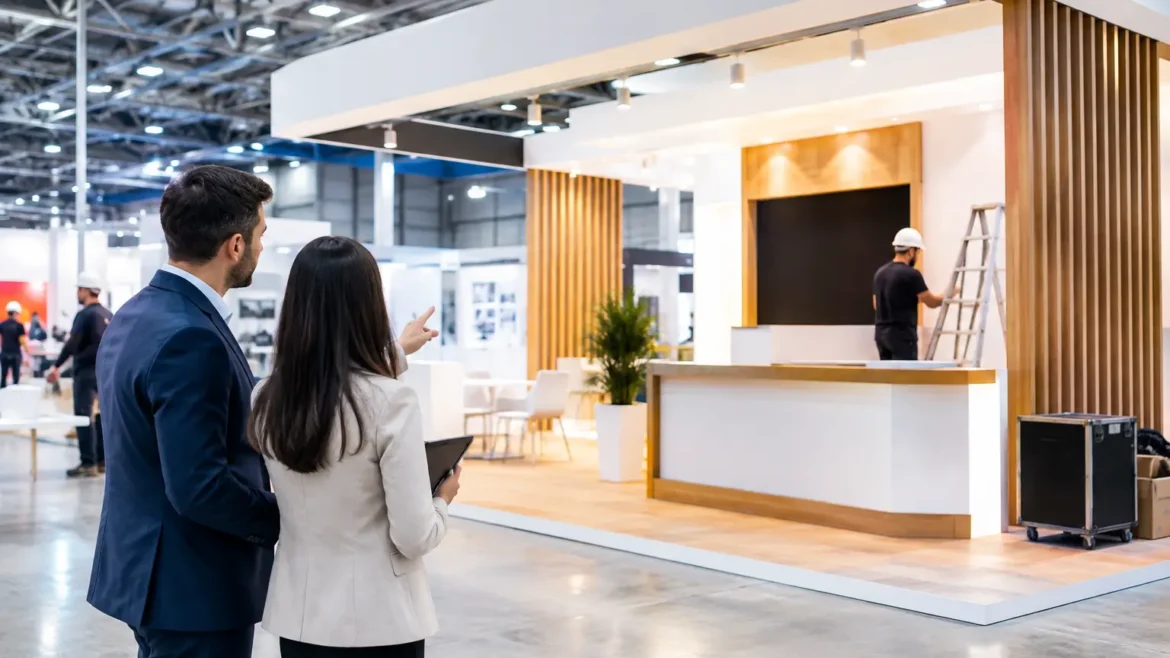
A packed exhibition hall gives visitors only seconds to decide where to stop. Your stand needs to communicate the brand, support real conversations, display products properly, and remain practical for staff through long event hours. That is why selecting the best exhibition builders Dubai has to offer is not simply a design decision. It is a commercial decision that affects visibility, lead generation, timing, and budget control.
A strong exhibition partner does more than supply walls, graphics, and furniture. They translate your campaign goals into a physical environment that can be built safely, installed on schedule, and remembered after the show closes. For brands exhibiting in Dubai, Sharjah, Abu Dhabi, or elsewhere in the UAE, local execution experience is often as valuable as the first creative concept.
What the Best Exhibition Builders in Dubai Actually Deliver
The difference between an average booth and a high-performing exhibition environment is usually found before fabrication begins. The right builder asks what the stand needs to achieve: launch a product, host meetings, generate retail-style sales, build awareness, or support a major corporate presence. Each goal requires a different visitor journey.
For example, a product-driven stand may need demo counters, secure storage, clear sightlines, and strong digital display areas. A business-to-business exhibitor may need semi-private meeting zones that still feel open and inviting. A luxury brand may place more value on material finishes, lighting control, and hospitality. Reusing the same booth formula for every brief rarely produces the right result.
The best exhibition builders in Dubai bring design and construction thinking together from day one. They know which features will look impressive in a rendering but create delays on site, and which materials can deliver a premium finish without making the structure difficult to transport, assemble, or approve.
This is especially relevant for custom stands. Bespoke build does not mean adding complexity for its own sake. It means creating a stand around your brand identity, floor space, visitor flow, and event objectives. A smart custom build can make a compact footprint feel more open, give your team better working space, and help visitors understand your offer without needing a long explanation.
Start With the Exhibition Brief, Not the Stand Style
Before comparing contractors, define what success looks like for the event. A useful brief covers the exhibition name, venue, stand dimensions, open sides, dates, target audience, required products or services, preferred brand look, and budget range. It should also state whether your team needs meeting rooms, storage, demonstration areas, hospitality counters, screens, or retail displays.
Budget conversations are more productive when they happen early. Exhibition costs can vary significantly based on stand size, structural height, custom joinery, AV requirements, lighting, furniture, graphics, logistics, and venue services. A contractor who receives only a floor plan and a request for a “premium stand” has little basis for proposing the right solution.
It also helps to identify non-negotiables. If your stand must accommodate a vehicle, machinery, a working product demo, or a private executive meeting area, those needs should shape the layout from the beginning. If the event is primarily about visual impact, then a feature wall, overhead branding element, or immersive display may deserve more of the budget.
How to Evaluate Exhibition Stand Builders Beyond the Renderings
A polished 3D design is valuable, but it is only one part of the project. When reviewing exhibition stand builders, look at the full delivery process behind the visuals.
Check fabrication capability
In-house manufacturing gives a builder more control over quality, finish consistency, and production schedules. It can also make last-minute adjustments more manageable when graphics change, product dimensions are updated, or venue requirements affect the build.
Ask where the stand will be fabricated and who manages joinery, metalwork, acrylic, printing, paint finishing, and electrical work. Some contractors coordinate these services through several external suppliers. That can work for simple projects, but it creates more handoffs and more opportunities for delays. A team with direct production oversight can protect both detail and timing.
Review relevant work, not just attractive work
A portfolio should show variety, but relevance matters more than volume. If you are exhibiting technology, look for evidence of integrated screens, demo areas, cable management, and visitor engagement zones. If you are presenting a premium retail product, assess whether the contractor understands display hierarchy, lighting, finishes, and customer circulation.
Look closely at completed stand photos rather than relying only on computer-generated concepts. Finished work reveals the quality of joins, edges, lighting, graphic application, flooring, and overall scale. It also shows whether the contractor can execute consistently in a busy exhibition environment.
Ask how they handle venue compliance
Exhibition venues have technical regulations covering height limits, structural approvals, electrical requirements, fire safety, rigging, access times, and dismantling procedures. A strong contractor manages these requirements as part of the build process rather than leaving them to the exhibitor at the last moment.
This area is not glamorous, but it is critical. A design that cannot be approved or installed within the venue schedule is not a successful design. Experienced local builders plan around those restrictions while still protecting the creative idea.
Evaluate communication under pressure
Exhibitions run on fixed dates. There is no flexible launch window if production slips. During the proposal stage, notice whether the contractor asks clear questions, gives realistic milestones, explains assumptions, and responds with practical alternatives when a request affects cost or timing.
The right partner should be direct about trade-offs. A large custom ceiling feature may create stronger visibility, for instance, but it may require additional approvals, higher logistics costs, and more installation time. Clear advice helps you choose where to invest rather than discovering those constraints after production has started.
Why Turnkey Delivery Reduces Risk
Exhibition projects involve many moving parts: creative design, technical drawings, fabrication, printing, flooring, lighting, furniture, AV coordination, transport, installation, and dismantling. When these elements are managed by separate vendors, the client often becomes the coordinator between them.
Turnkey delivery keeps responsibility in one place. The design team understands how the fabricators will build the structure. The project manager knows the installation schedule. The on-site crew works from approved drawings and production details instead of trying to solve preventable issues on the exhibition floor.
This approach is particularly useful for brands with several physical requirements around the same campaign. A company may need an exhibition stand, branded display units, retail activation counters, or a custom mall kiosk. Working with one contractor that understands the full brand environment can create a more consistent result across every customer touchpoint.
Creative Roots brings this model together through exhibition stand design and contracting, in-house fabrication, interior fit-outs, kiosk manufacturing, branded displays, and on-site installation. For clients, that means one experienced project team can move from initial consultation to completed physical environment without splitting accountability across multiple suppliers.
Match the Build Type to the Event Strategy
Not every exhibition requires a fully bespoke build. The right choice depends on the event’s importance, stand size, brand goals, and potential for reuse.
A modular stand can be an efficient option for frequent exhibitors who need flexibility and cost control. It can still look polished when graphics, lighting, and display details are handled well. However, a standard modular format may offer fewer opportunities to create a distinctive brand experience in a competitive hall.
A custom-built stand is better suited to flagship launches, large-format spaces, premium positioning, or campaigns where the physical environment is central to the story. Custom joinery, unique forms, integrated technology, and tailored visitor zones can create a stronger impression, but they need disciplined planning and a contractor capable of executing fine details.
Hybrid builds often provide the best balance. A reusable structural base can be combined with custom feature elements, new graphics, and event-specific displays. This can reduce waste and improve return on investment while keeping the stand fresh for each show.
Questions Worth Asking Before You Appoint a Builder
The proposal meeting is the time to test how a builder thinks. Ask who will manage the project after approval, what is included in the quoted price, and which elements may create additional charges. Confirm the production timeline, approval responsibilities, installation window, and handover process.
You should also ask how the contractor protects the stand during transport and installation, whether they provide on-site support, and how they manage changes close to the event date. If the stand includes technology, confirm who is responsible for power, screens, content testing, and cable concealment.
Avoid choosing purely on the lowest quote. An unusually low price may exclude key items such as venue documentation, electrical work, furniture, graphics, transport, or final cleaning. Compare proposals line by line so you can see the real scope, not just the headline figure.
The best exhibition stand is the one that brings the right visitors into conversation, gives your team a functional place to work, and is delivered without last-minute surprises. Start with a clear brief, choose a builder with proven execution capability, and give the project enough lead time for the details that make your brand memorable.