
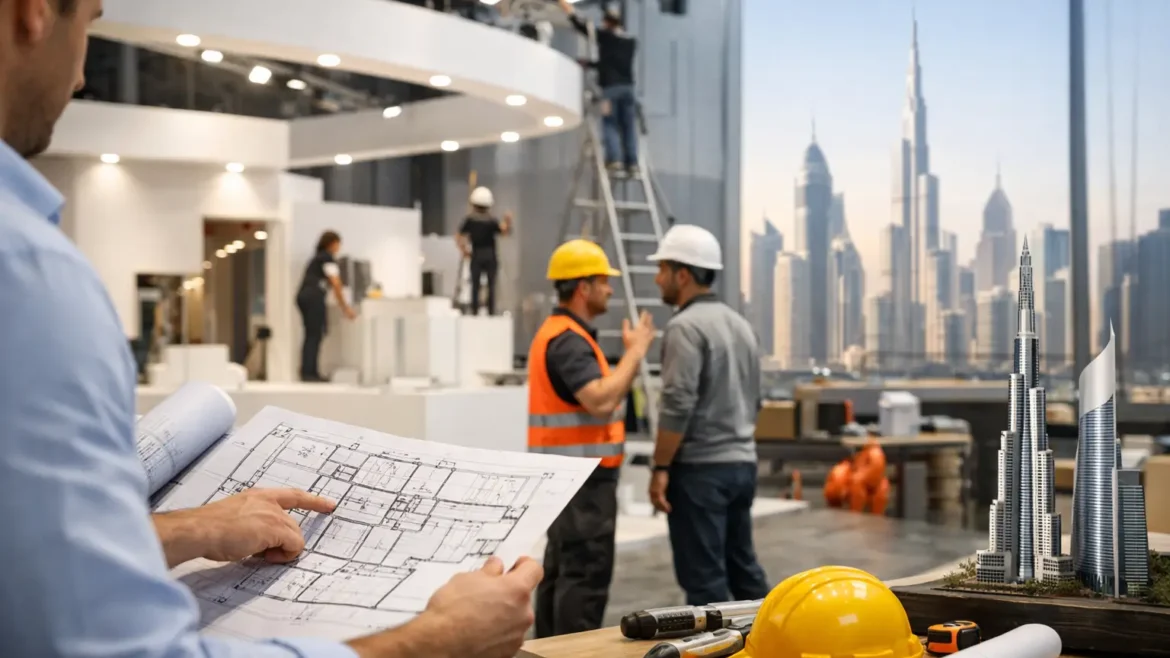
A 3m x 3m exhibition stand can be a focused branded space with a counter, graphics, and product display. It can also become a highly detailed environment with custom joinery, lighting, screens, storage, hospitality areas, and interactive features. That difference is exactly what affects exhibition build costs: not just floor area, but the level of design, fabrication, logistics, and on-site delivery required to make the stand perform.
For exhibitors in Dubai and across the UAE, the right question is not simply, “How much does a stand cost?” It is, “What do we need this stand to achieve, and where should the budget work hardest?” A well-planned build can attract qualified visitors, support product demonstrations, and give your team a credible setting for meetings. A low initial price that overlooks practical requirements can create expensive changes later.
What affects exhibition build costs most?
Exhibition build pricing is shaped by the combination of scope, complexity, schedule, and venue requirements. Two stands with the same footprint can have very different budgets because one uses a modular system and printed graphics, while the other is a bespoke, custom-built structure with integrated technology and premium finishes.
The most effective budgets define the non-negotiables early: the space size, visitor experience, product requirements, brand standards, event dates, and installation conditions. Once these are clear, a stand contractor can recommend where to use premium fabrication and where to choose efficient alternatives without weakening the final result.
Stand size and layout
More square footage generally means more flooring, walling, lighting, graphics, labor, and transport. But size alone does not tell the whole story. An open two-side or island stand often requires more finished surfaces than a shell-scheme booth because visitors can see the structure from multiple directions.
Layout also affects how much is built behind the scenes. A simple display wall requires far less construction than a stand with a private meeting room, lockable store, pantry counter, reception desk, product niches, and multiple demonstration zones. Enclosed rooms add walls, doors, ventilation considerations, electrical planning, and fire-safety requirements.
Height is another major variable. Taller features can improve visibility on a busy show floor, but they may need engineered support, venue approval, specialized access equipment, and additional installation time. A high-impact landmark feature should earn its place in the design by improving brand visibility or visitor flow, not simply by making the stand taller.
Bespoke design versus modular construction
A modular stand is often the efficient choice for brands that need a clean, professional presence with a controlled budget. Standardized frame systems can be installed quickly, reconfigured, and paired with strong graphic panels, furniture, and lighting.
A bespoke exhibition stand is built around the brand, product, and specific floor plan. Curved forms, custom ceiling elements, layered facades, sculptural displays, and integrated retail-style finishes create a more distinctive environment, but they require design development, workshop labor, material sourcing, and more detailed installation.
Neither route is automatically better. A modular system can look premium when the graphics, lighting, layout, and visitor journey are handled properly. A custom build makes stronger commercial sense when a brand needs to launch a major product, host key clients, show physical products, or compete for attention at a high-traffic event.
Materials, finishes, and fabrication detail
Material choices have a direct effect on build costs because they change both the purchase cost and the number of workshop hours required. Laminated MDF, painted wood, acrylic, metal, glass, fabric, vinyl, and specialty surfaces all deliver a different visual result and require different fabrication methods.
For example, a printed graphic wall is usually faster and more economical than a wall finished in routed panels, textured laminate, integrated LED lines, and backlit logos. The latter can create a powerful brand impression, but it involves precise cutting, electrical work, finishing, quality checks, and careful packing for transport.
Details that appear small on a render can carry meaningful cost. Flush doors, hidden storage, curved joinery, edge lighting, custom shelving, and concealed cable routes demand accurate fabrication and installation. They are often worthwhile in customer-facing areas, especially where visitors will interact with products or sit for meetings. On less visible rear walls or internal storage areas, a simpler finish may be the smarter allocation of budget.
In-house fabrication helps keep these choices coordinated. Rather than separating design intent from production reality, the build team can assess how a material, joint, finish, or lighting detail will perform in the workshop and on the exhibition floor.
Branding, graphics, and digital content
Brand graphics are not an add-on. They are a core part of whether visitors understand who you are and why they should stop. Costs can include artwork adaptation, large-format printing, vinyl application, dimensional letters, illuminated logos, backlit fabric graphics, and installation.
Digital screens, LED walls, tablets, touch displays, sound systems, and interactive activations can increase engagement, but they introduce additional technical requirements. Hardware rental or purchase, content production, power load, cable management, internet access, equipment mounting, and on-site testing should all be included in the scope.
A screen without a clear content plan rarely delivers value. Before specifying technology, decide what it must do: demonstrate a product, show case studies, capture leads, run a presentation, or create a visual focal point. Purpose-led technology is easier to budget and far more likely to support the sales team.
Venue rules, logistics, and on-site labor
The venue is part of the project, not just the location. Exhibition organizers often have rules covering maximum height, approved materials, fire ratings, electrical connections, rigging, hanging signs, access times, and required documentation. These requirements can influence the design and the cost of delivering it safely.
Freight and logistics also vary widely. A stand built locally for a Dubai exhibition has a different transport profile from one that must move to Abu Dhabi, Sharjah, or another emirate. Large elements may require more than one vehicle, careful loading, protective packing, or scheduled delivery slots. If the event hall has restricted loading times, night work or additional labor may be necessary.
Installation labor is often determined by complexity and time pressure. A straightforward stand with repeatable components can be installed efficiently. A custom build with layered finishes, suspended elements, integrated AV, and detailed displays needs a larger, more specialized crew. Dismantling, storage, and waste removal should also be considered when comparing proposals.
Timing can change the price
Early planning is one of the most practical ways to control exhibition spend. It gives the design and production teams time to develop the concept, select available materials, coordinate approvals, and schedule workshop capacity properly.
Late changes tend to cost more because they disrupt ordered materials, approved drawings, fabrication sequences, transport bookings, and labor schedules. A last-minute request for a larger screen, new meeting room, revised product display, or upgraded finish may be possible, but it may require rush production and expedited sourcing.
The same is true for event dates that fall during particularly busy exhibition periods. Booking a stand builder early gives you more flexibility in design choices and production planning. It also reduces the risk of settling for a compromised approach because the preferred materials or crew availability have already been allocated.
Rental, reuse, or a new build?
The intended life of the stand changes the right investment level. For a single event, rental furniture, AV equipment, and selected display components can keep costs sensible while still delivering a polished finish. For a multi-show calendar, reusable structures, counters, shelving, and branded elements may offer stronger value over time.
Reuse only works when it is planned from the beginning. Dimensions should suit likely future booth sizes, graphics should be designed for replacement, and the stand should be packed and stored in a way that protects usable elements. A custom-built stand does not have to be disposable, but it needs a reuse strategy.
How to budget without diluting the brand
Start with the commercial goal. Is the event about lead generation, product launch, retail-style display, distributor meetings, or brand awareness? Then prioritize the elements that directly support that goal. A product-led stand may need secure displays and demonstration counters. A meeting-led stand may need acoustic separation, hospitality, and comfortable seating. A visibility-led stand may benefit most from a strong overhead identity and a clear open layout.
Share a realistic budget range with your contractor rather than requesting a design with no commercial boundaries. This allows the team to develop an achievable concept, identify value-engineering options early, and prevent a cycle of redesign after the preferred direction is already established.
A complete quote should clarify design, fabrication, graphics, furniture, AV, electrical work, transport, installation, dismantling, and any organizer-related items that are included or excluded. This is where a turnkey partner such as Creative Roots can reduce coordination gaps by managing creative development, in-house manufacturing, and on-site execution under one project team.
The best exhibition budget is not the lowest number on a spreadsheet. It is the one that puts the right investment into visibility, visitor experience, and reliable delivery, so your team arrives at the show ready to do business.